Did You Know You Can Quantify Carbon Cost Exposure Across Your Supply Chain with Carbmee EIS?
For years, sustainability data was treated as a reporting requirement. Today, it is becoming a strategic business layer that connects cost, compliance, product intelligence, supplier performance, and decarbonization.

The next advantage won’t come from reporting more carbon data
That shift is happening fast. The World Bank reports that carbon pricing now covers nearly 30% of global greenhouse gas emissions and generated more than $107B in public-budget revenue in 2025. At the same time, BCG and CDP found that corporate supply chain emissions are, on average, 26 times higher than direct operational emissions. For most enterprises, the biggest risks and opportunities now sit beyond their own operations — across suppliers, products, materials, and markets.
This is why environmental intelligence matters. It moves carbon data out of static reports and into the decisions that shape margin, compliance readiness, product design, supplier strategy, and customer trust.
When carbon, cost, and compliance become one business signal
Executive teams are increasingly expected to connect sustainability performance with business performance. Carbon pricing, CBAM exposure, supplier emissions, Scope 3 reduction targets, Product Carbon Footprints, regulatory obligations, and customer data requests are no longer separate workstreams. They are connected signals of competitiveness.
Scope 3 emissions typically represent around 90% of total emissions for most companies, which makes supplier collaboration essential for meaningful decarbonization. Meanwhile, PwC highlights that CSRD is increasing the need for ESG data quality controls and evidence that data validations have been conducted. The companies that act early are not simply preparing reports. They are building the data foundation to make faster, better decisions.
The five moves that turn environmental data into enterprise value
Competitive advantage starts when carbon data becomes usable across the business. That requires five connected moves.
Move 1: Expose the carbon costs hiding in business decisions
Carbon is increasingly connected to financial exposure. Whether through CBAM, ETS-related costs, supplier pricing, or internal carbon pricing, companies need to understand where emissions could affect margin. Carbmee EIS™ helps connect procurement, product, and supplier data to carbon cost forecasting, so teams can model exposure and make sourcing decisions with greater confidence.
Move 2: Build once for compliance, reuse everywhere
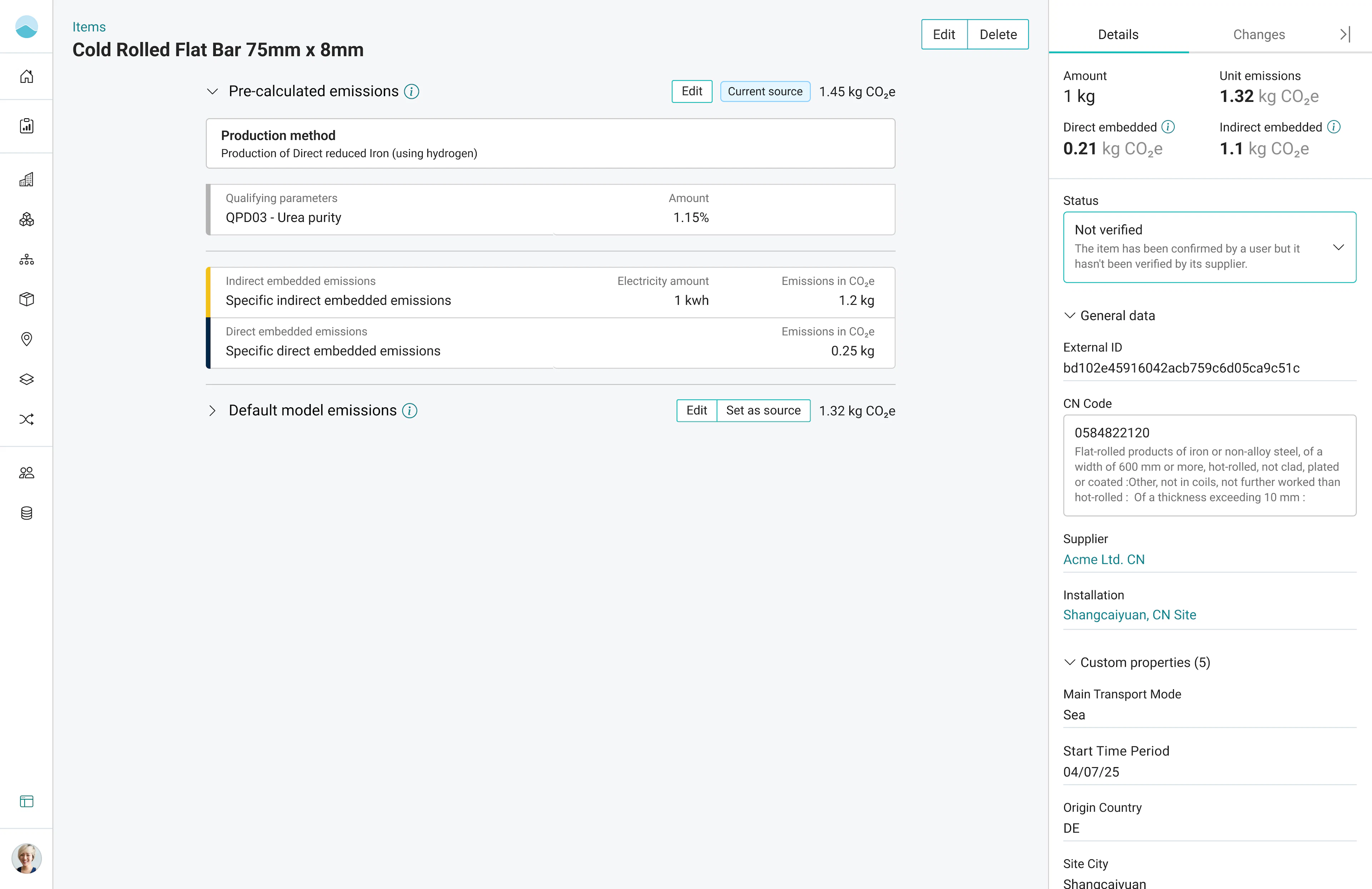
Regulations such as CSRD, CBAM, and the EU Battery Passport are increasing the need for traceable, auditable environmental data. The strategic opportunity is to avoid building separate reporting processes for every requirement. A shared environmental data foundation can support multiple compliance outputs while reducing duplicated effort.
Move 3: Put reduction effort where it changes the outcome
Not all reduction initiatives create equal business value. Companies need to identify emissions hotspots across suppliers, materials, products, and sites, then prioritize action based on impact, feasibility, and cost. Carbmee EIS™ connects products, sites, supply chains, and transactions, helping teams turn environmental data into operational decisions.
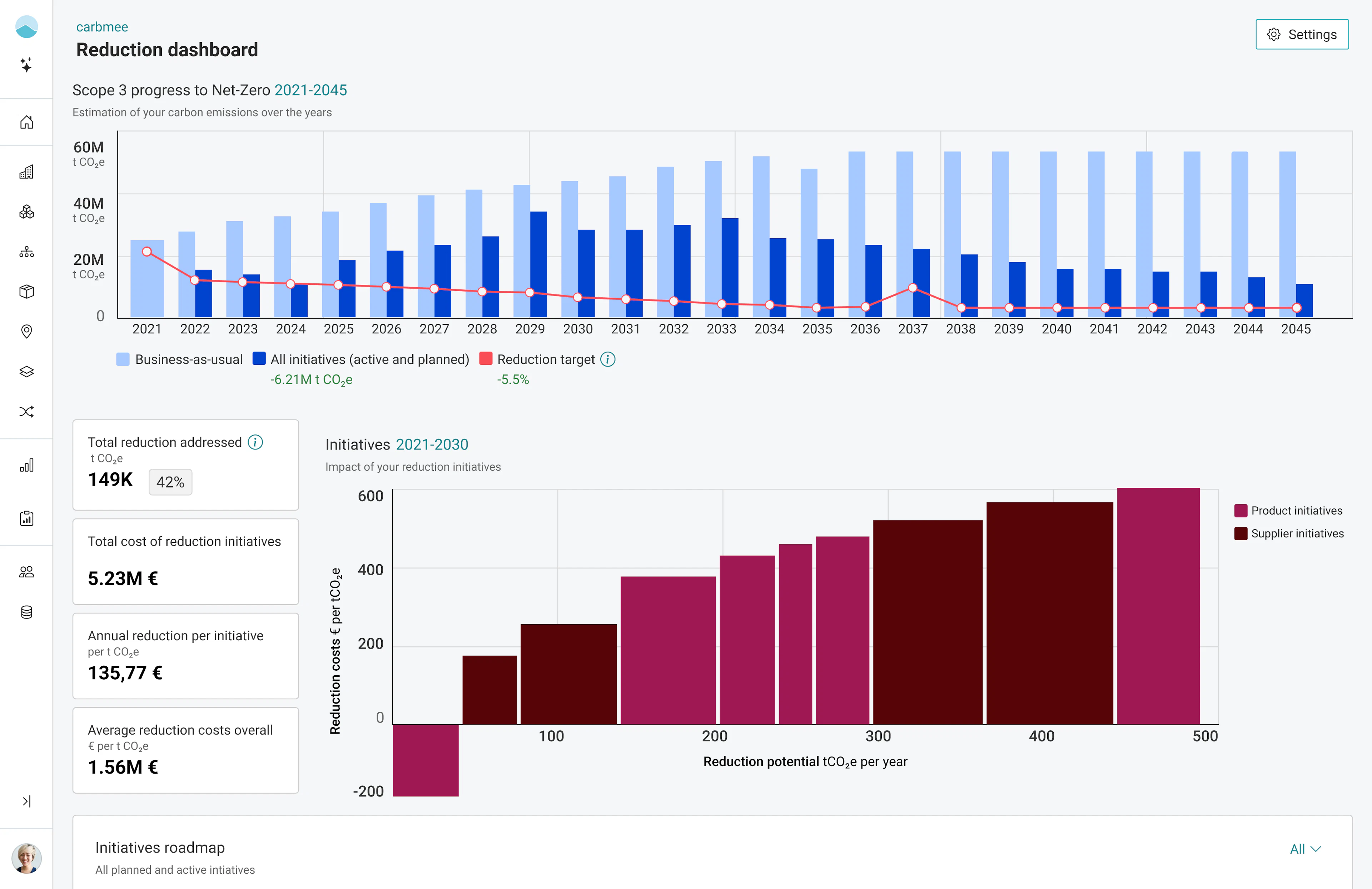
Move 4: Make product carbon data part of product strategy
Product Carbon Footprints are becoming essential for customer requests, product design, sourcing decisions, and commercial differentiation. Dynamic PCFs help companies move beyond one-off calculations by keeping product carbon data connected to suppliers, materials, and transactions as the business changes.
Move 5: Focus suppliers on the data that actually moves the needle
Supplier engagement becomes more effective when teams know where to focus. Instead of asking every supplier for everything, companies can prioritize the suppliers, materials, and categories that drive the greatest emissions, cost, or compliance exposure.
What competitive advantage looks like in practice
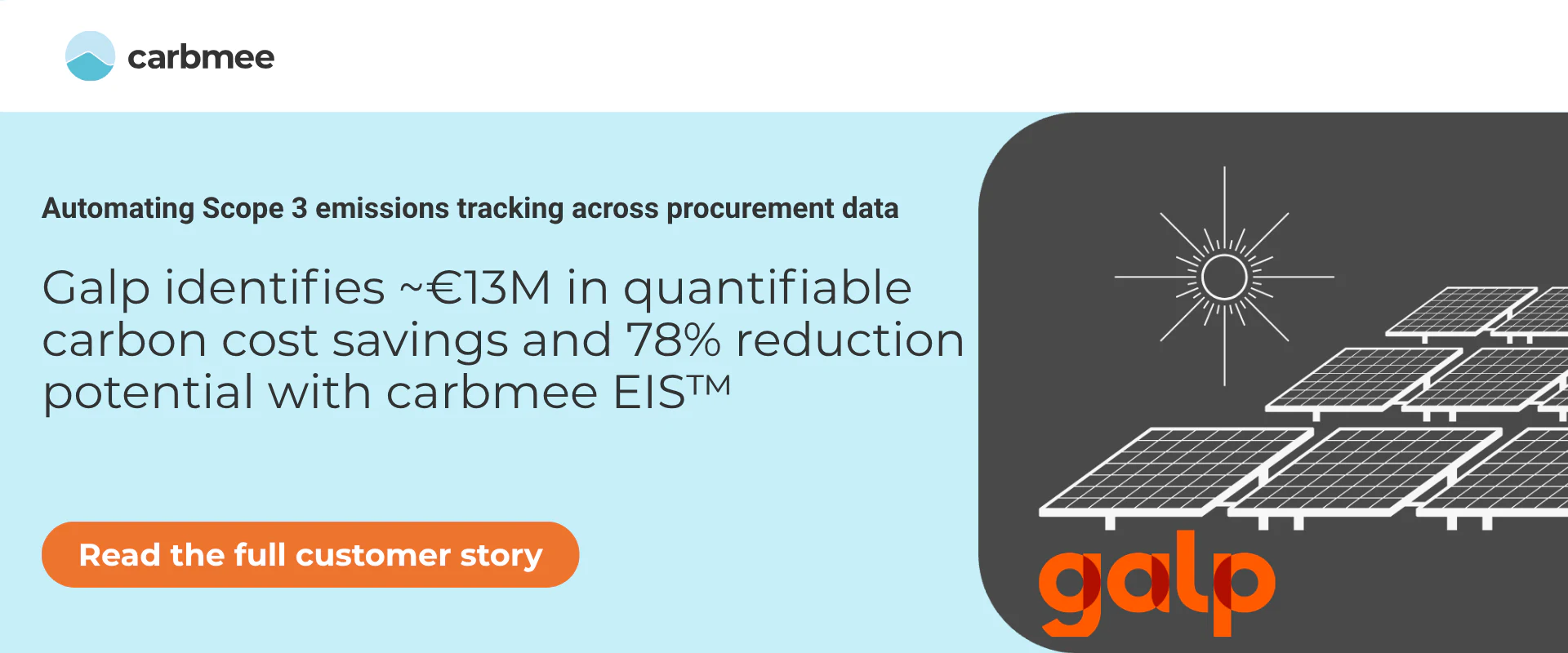
Galp shows how environmental intelligence can turn procurement data into measurable business insight. Using Carbmee EIS™, Galp analyzed approximately 40,000 items, more than 2,000 suppliers, and 140 categories, identifying up to €13M in quantifiable carbon cost savings and up to 78% emissions reduction potential in selected services tenders.
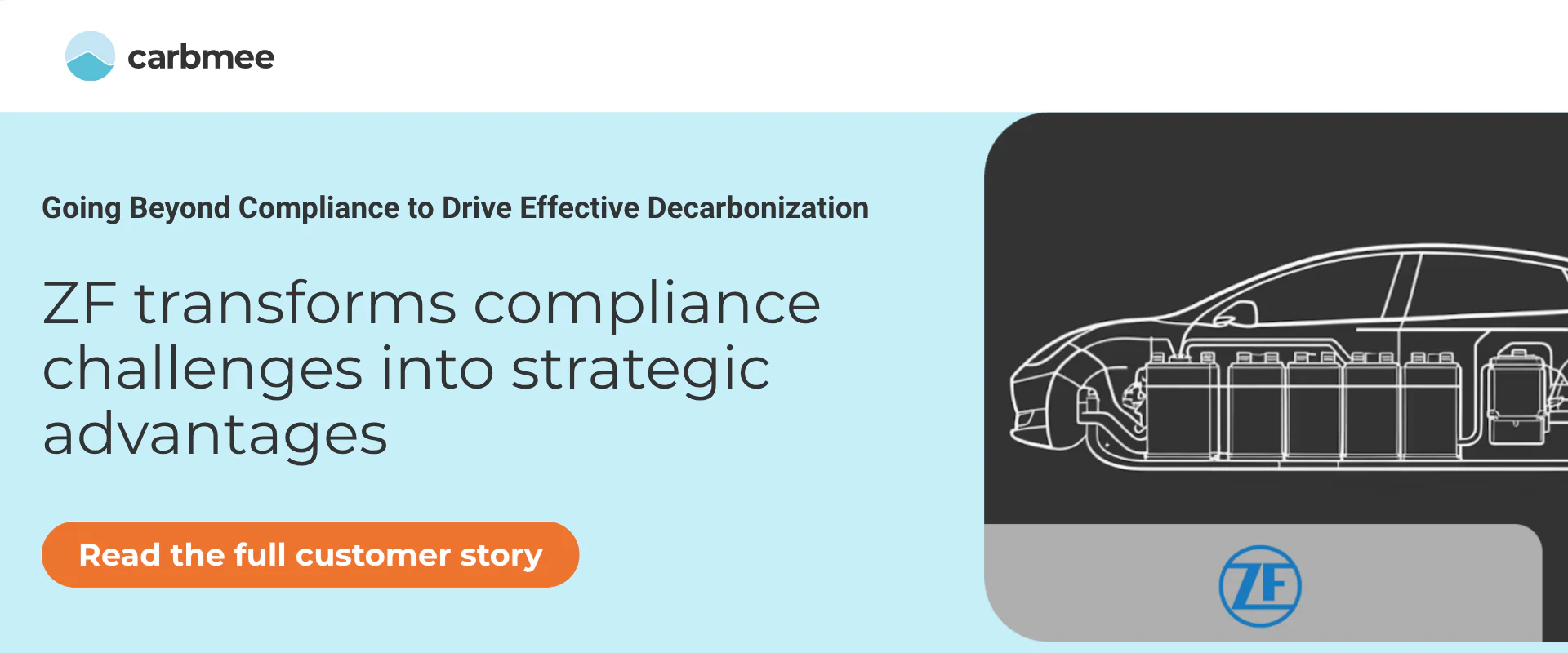
ZF offers a complementary example of compliance becoming strategic. ZF used Carbmee EIS™ to meet CBAM reporting requirements, establish robust reporting processes, uncover reduction potential, and develop decarbonization roadmaps.
From environmental data to strategic operating system
Carbmee EIS™ helps enterprise manufacturers transform environmental data into action. The platform connects Scope 1, 2, and 3 carbon management, supplier engagement, product-level insights, carbon cost forecasting, compliance workflows, and reduction planning in one system.
That means teams can move from fragmented carbon reporting to a connected operating model: finance can understand exposure, procurement can compare suppliers, sustainability can prioritize reductions, product teams can use PCFs, and executives can see where environmental intelligence creates strategic value.
Book a Carbmee EIS™ demo to see how your organization can turn carbon, cost, compliance, product intelligence, and supplier data into competitive advantage.