Climate Transformation as a CFO Mandate
The following post is an excerpt from Carbmee’s Industry Benchmark Report, 2026 Green Transformation in Practice, which analyzes year-over-year trends in energy, carbon, and sustainability execution across industrial sectors. Based on insights from over 100 senior decision makers, the report features expert perspectives from leaders at Jaggaer, PwC, and ERM. In this excerpt, we spotlight one of those expert interviews, offering a first-hand view into how leading organizations are navigating the challenges and opportunities of green transformation in 2026.

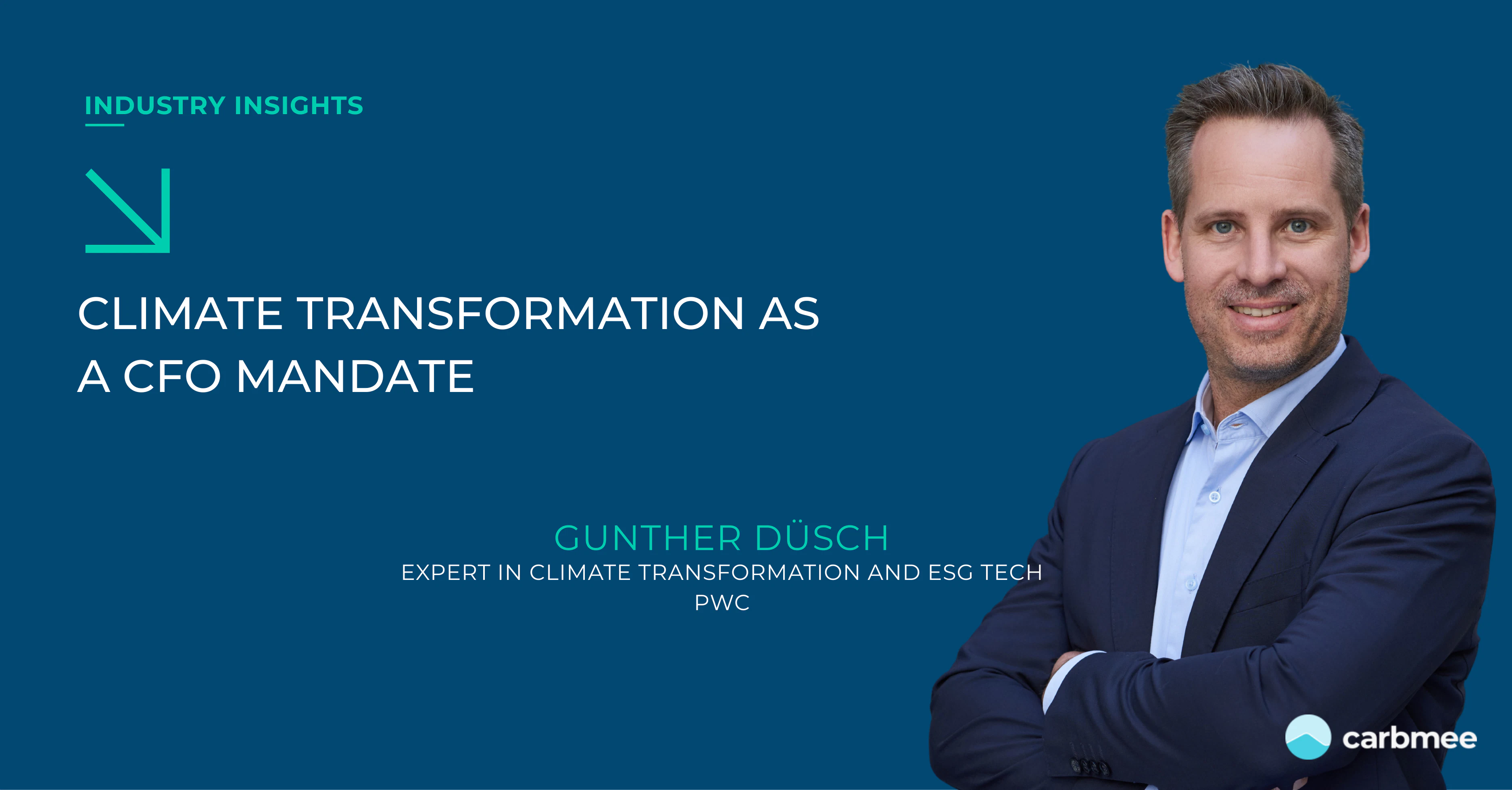
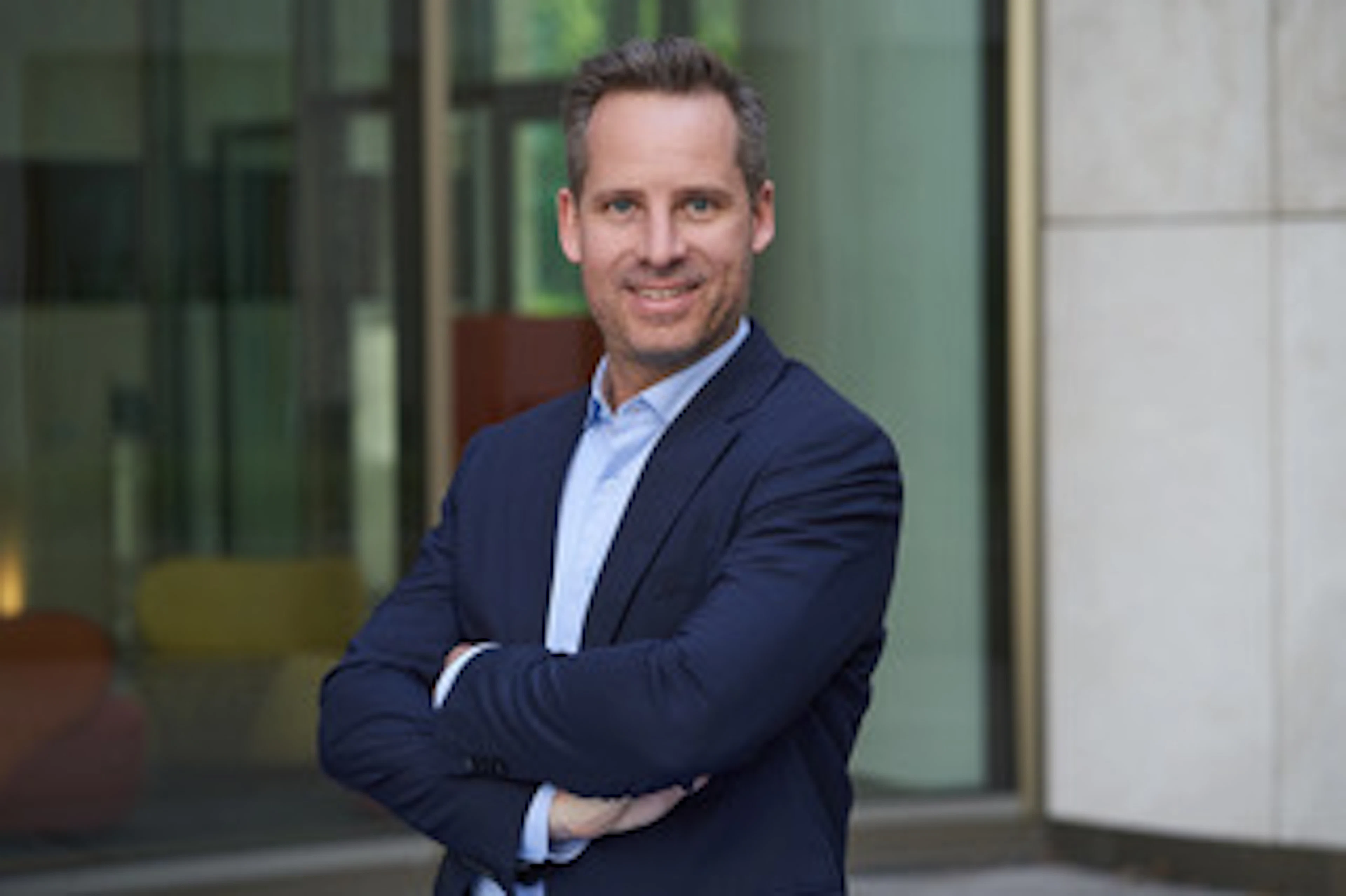
Experts with Insights: Gunther Dütsch, Expert in Climate Transformation and ESG Tech, PwC
The recent findings of the Sustainability in Practice 2026 survey indicate that sustainability is firmly established within companies, with almost two-thirds of respondents rating their organization commitment as high or very high. However, implementation remains challenging.
For half of the companies surveyed, budget restrictions are the biggest obstacle (50%), followed by supply chain complexity (42.3%) and a lack of data and key performance indicators (KPIs) (38.5%). It’s becoming increasingly clear that sustainability is no longer just a matter of communication, but a question of resource allocation and strategic management.
In recent years, sustainability has increasingly become the responsibility of the CFO. This is a logical development, as the challenge today is to reconcile short-term financial goals with long-term sustainability ambitions. The majority of respondents (58.7%) find this balance difficult.
From my practical experience, I know that companies that consistently integrate sustainability into their financial planning, risk management, and investment decisions are more successful in implementation and create the necessary transparency for internal and external stakeholders. It is equally crucial to embed sustainability in strategic planning and product development – as an active response to market and environmental changes.
Companies that integrate sustainable innovations into their product portfolios and business models early on not only ensure regulatory compliance but also gain competitive advantages in a rapidly changing environment.
The survey also shows that sustainability is being considered across departments in many companies: In addition to purchasing and production, research and development, finance, HR, and governance are increasingly involved. Nevertheless, there is still room for improvement in cross-departmental collaboration – only one-third of respondents rate cross-departmental cooperation as effective.
The most important drivers for sustainability initiatives are customer expectations (54%), internal conviction (47%), regulatory pressure (43%), and investor requirements (34%). This underlines that sustainability is not only driven by regulation but is also demanded by customers and is gaining importance from within the organization itself. The PwC Global Investors Survey 2025 reflects this picture. According to this survey, 61% of the investors surveyed would increase their investment in companies that use sustainability data for efficiency gains and 53% for climate resilience.
To accelerate the transformation, companies primarily want better data and analyses (49%), clearer regulatory guidelines (48%), more budget and resources (50%), and stronger collaboration with suppliers and partners (45%). Technological innovations – for example, in the areas of carbon management, circular economy, and AI-supported analytics – are also seen as important levers.
Data-based tools like Carbmee make a decisive contribution here: They enable companies to make sustainability decisions on a solid data basis and to transparently measure progress. In practice, we at PwC support our clients in using the data provided by Carbmee specifically for the transformation – from the identification of emission hotspots to the management of measures and reporting. The combination of technology, data expertise, strategic integration, and joint implementation is the key to translating ambitious sustainability goals into concrete results and securing long-term competitiveness.