Did You Know You Can Prepare for PPWR with Environmental Intelligence?
Packaging is becoming a board-level sustainability, compliance, and product strategy issue.
The EU Packaging and Packaging Waste Regulation, or PPWR, entered into force on 11 February 2025 and will generally apply from 12 August 2026. It covers all packaging and packaging waste placed on the EU market, regardless of material or origin, and introduces requirements across manufacturing, composition, recyclability, reuse, recovery, waste prevention, and packaging waste management.


Did You Know You Can Prepare for PPWR with Environmental Intelligence?
The direction is clear: the European Commission aims to make all packaging on the EU market recyclable in an economically viable way by 2030, safely increase the use of recycled plastics, and reduce the use of virgin materials. For companies selling into Europe, PPWR readiness is no longer a future compliance topic. It is a data, supplier, and product portfolio challenge that needs to start now.
And this is not only a European issue. McKinsey notes that packaging sustainability is becoming more complex globally, with more than 60 pieces of packaging-related legislation proposed in the US alone in the past two years.
Why PPWR readiness matters now
Many teams are already asking practical questions: Which packaging formats create the greatest compliance risk? Do we have the supplier data needed to prove recyclability or recycled content? Which products may require redesign before 2030?
These questions matter because PPWR readiness depends on more than a regulatory checklist. Packaging data is often fragmented across ERP, procurement, product, supplier, quality, and compliance systems. Material composition, recycled content, packaging type, supplier documentation, country-level requirements, and product portfolio exposure all need to connect.
The immediate value is simple: the sooner companies understand their packaging data gaps, the faster they can reduce compliance risk, prioritize supplier engagement, and make better product portfolio decisions.
How to prepare for PPWR with environmental intelligence
- Map your packaging portfolio
Start by building a complete view of packaging across products, SKUs, markets, suppliers, and materials. Include primary, secondary, transport, and e-commerce packaging where relevant. The goal is to understand what packaging exists, where it is used, and which products may be exposed. - Identify the data needed for readiness
PPWR readiness requires more than weight and material type. Teams need structured data on composition, recyclability, recycled content, reuse potential, substances of concern, supplier documentation, and country-level obligations. This turns packaging compliance into a data management challenge.
- Assess compliance risk by product and supplier
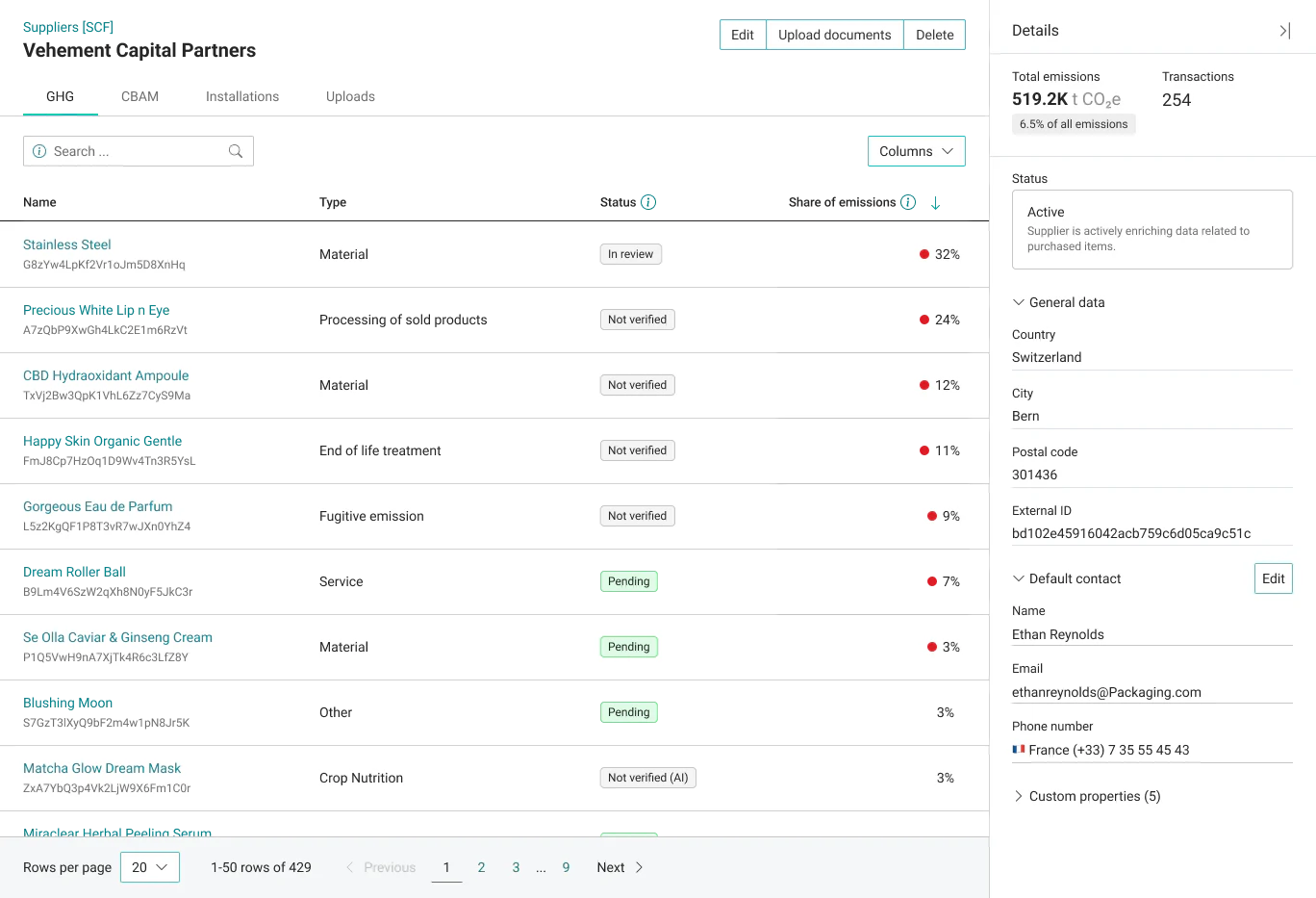
Once your portfolio is mapped, prioritize risk. Which packaging formats may face recyclability challenges? Which suppliers cannot provide verified data? Which products depend on materials that may become harder to justify or source? - Connect packaging data to environmental impact
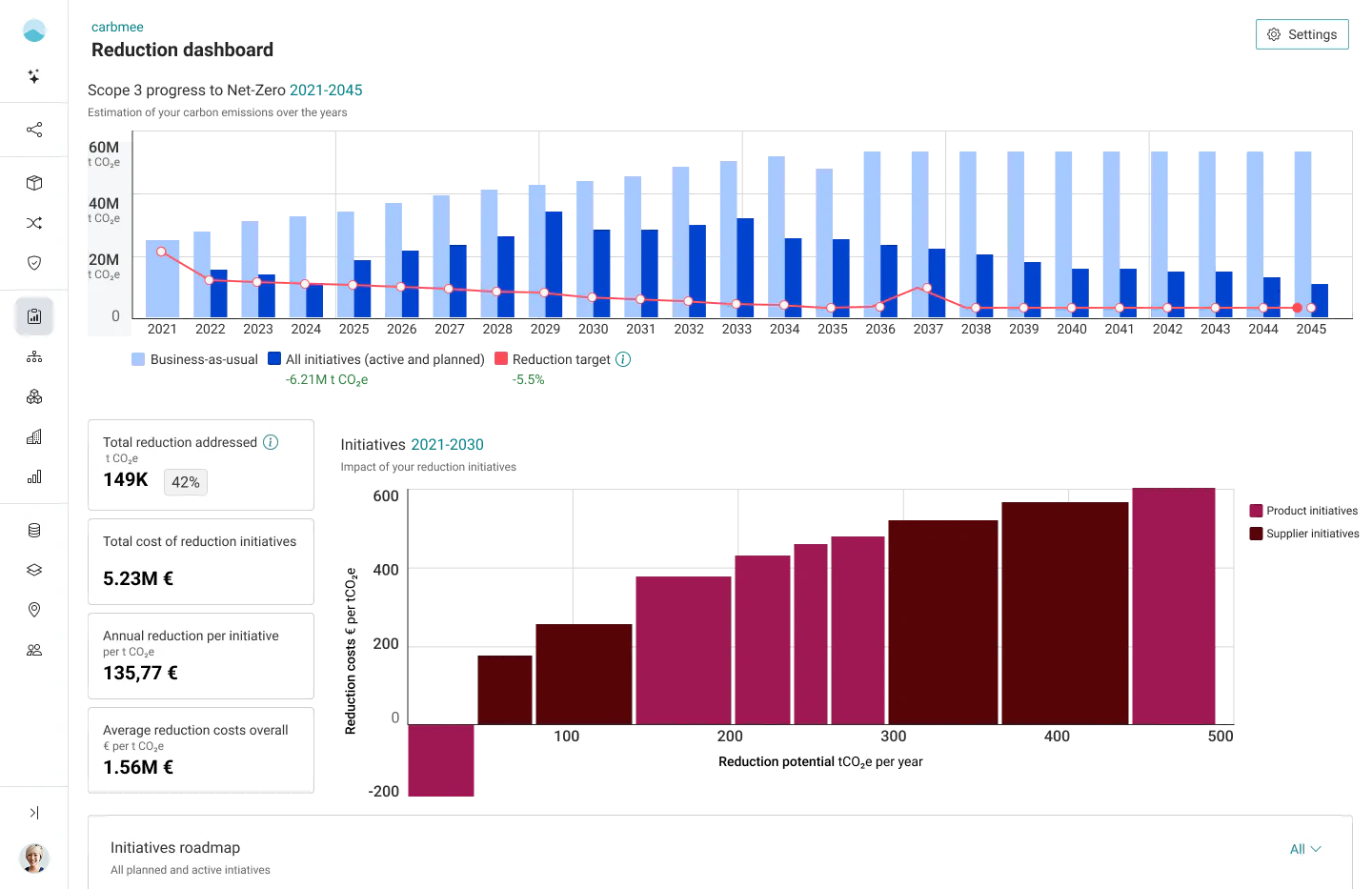
Compliance is the baseline, but environmental intelligence goes further. By connecting packaging formats to carbon and environmental impact data, teams can compare alternatives not only by regulatory fit, but also by emissions, circularity, supplier feasibility, and business impact. - Engage suppliers early
Supplier collaboration is essential because many critical data points sit outside internal systems. Focus first on suppliers linked to high-volume, high-risk, or strategically important packaging. Ask for material specifications, recycled content evidence, recyclability documentation, and improvement options. - Run product portfolio scenarios
PPWR preparation should inform product decisions. Model what happens if a material is replaced, a packaging layer is reduced, a supplier changes, or a recycled-content target becomes harder to meet. McKinsey highlights that sustainable packaging requires a granular understanding of consumer priorities, packaging materials, and market-specific expectations. - Build a roadmap for action
Turn your findings into a roadmap across compliance, procurement, sustainability, packaging engineering, and product teams. Define owners, timelines, supplier actions, documentation needs, redesign priorities, and decision gates ahead of the 2026 and 2030 milestones.
How Carbmee helps you move forwad
Carbmee EIS™ helps companies connect products, sites, supply chains, and transactions to transform environmental data into strategic business insight. The platform supports integrated Scope 1, 2, and 3 carbon management, audit-ready compliance, supplier collaboration, scenario modelling, and granular transactional data foundations.
For PPWR, Carbmee supports end-to-end supplier data collection, recyclability grading, Declarations of Conformity, and EPR tracking, built on real transactional data. Carbmee EIS™ Studio also enables custom reporting, SKU-level scenario analysis, supplier carbon scoring, ERP material-code integration, recycled content tracking, and product-level environmental insights.
How Ravensburger Turned Packaging Data into Reduction Action
Ravensburger shows why granular packaging and material intelligence matters. With carbmee EIS™, Ravensburger achieved Scope 3 carbon transparency in 20 days, identified data gaps across multiple systems, and used environmental insights to support material selection and emissions reduction strategy.

One standout example: switching from shrink wrap to plastic labels resulted in an 80% reduction in carbon emissions from packaging. Ravensburger also assessed alternative materials, including a switch from conventional plastic to bioplastic, to support more sustainable product decisions.
Ready to prepare your packaging portfolio for PPWR with confidence? Book a carbmee EIS™ demo and see how environmental intelligence can help you reduce compliance risk, collaborate with suppliers, and make smarter product portfolio decisions.